
Imagine that your school email password was leaked last month and a stranger is selling it for a few dollars. You would never know unless someone was looking in the right place. That is why dark web monitoring has become a basic part of cybersecurity for students, families, and companies. In this guide, I will explain it step by step, the way I would in a classroom.
What Is Dark Web Monitoring?
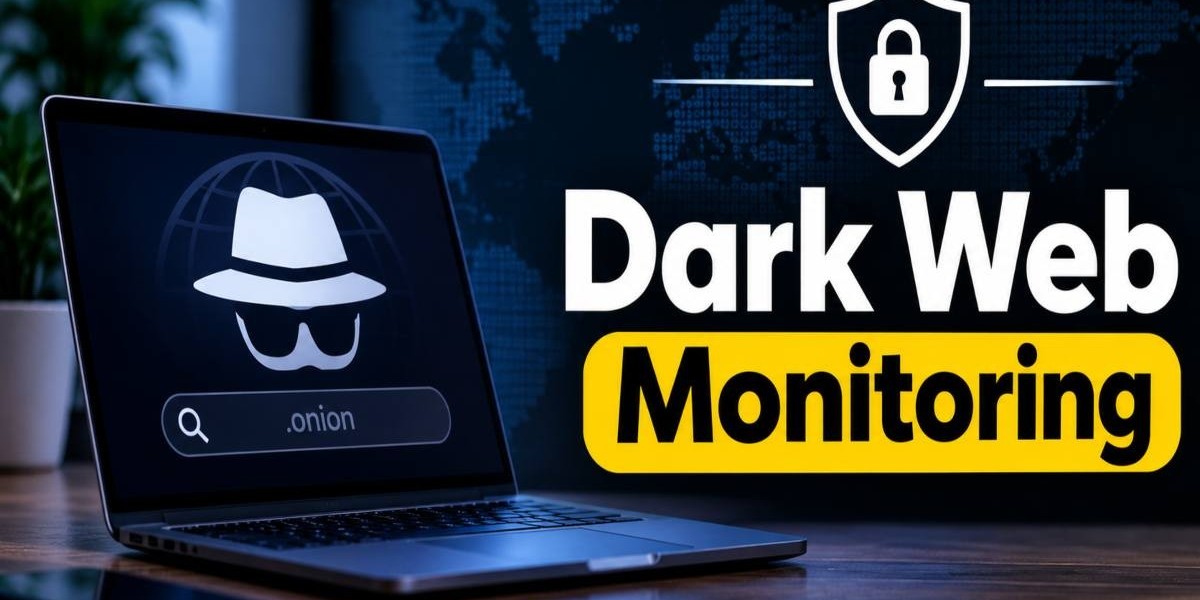
Dark web monitoring is the practice of scanning hidden online spaces to find your personal or business data before criminals misuse it. These spaces include private forums, encrypted chat groups, and cybercriminal marketplaces where stolen information is sold every day. When a match is found, you receive an alert and can reset passwords or freeze accounts quickly. In simple words, monitoring the dark web is like a guard who checks a dangerous neighbourhood and rings your bell when your name appears on a stolen list.
Quick Answer: What Does It Do?
Short answer: a dark web monitoring service searches hidden sites for your leaked emails, passwords, and card details, and warns you at once. It cannot erase the data, but it gives you time to react. Most tools send data breach alerts by email, dashboard, or phone notification.
Why Monitoring the Dark Web Matters
Data theft is common, and the numbers show it. IBM’s Cost of a Data Breach Report 2024 put the global average cost of a breach at about 4.88 million US dollars. The Verizon Data Breach Investigations Report found that stolen credentials featured in roughly one third of breaches over ten years. Because of this, monitoring the dark web works as an early-warning system for every organisation.
Real-Life Example: Collection #1
In January 2019, researcher Troy Hunt reported a data dump called Collection #1 with about 773 million unique email addresses. Through his Have I Been Pwned website, millions learned that their compromised accounts were circulating among criminals. It shows how ordinary users can be exposed without making any mistake themselves.
How a Dark Web Monitoring Service Works
A dark web monitoring service works in three stages: collecting data, matching it, and alerting you. Automated crawlers and human analysts first gather information from onion sites, paste sites, and messaging channels. Next, the platform uses threat intelligence to separate real leaks from old or fake listings. Finally, it notifies the right person with context, so the response is quick and focused.
Matching and Alerting
The system compares collected data with the email domains, employee names, and card numbers that you registered. If it finds a match, it judges how fresh and serious the exposure is and sends an alert. Strong credential leak detection also tells you what was exposed and which step to take next.
What Information Do Monitoring Tools Look For?
Every platform has its own scope, but most search for the same categories of exposed data. These include login details, financial records, personal identifiers, and confidential business files. Early detection supports identity theft protection for individuals and limits damage for companies. The list below shows the most common items.
Email addresses and passwords
Credit card and bank account details
National ID numbers, passport details, and phone numbers
Employee records and internal documents
Source code, API keys, and access tokens
How to Choose the Right Dark Web Monitoring Services
Choosing between dark web monitoring services needs a clear checklist rather than guesswork. Look at source coverage, alert speed, accuracy, and how well the tool connects with your security systems. A good platform also supports attack surface management, which shows every domain and account that attackers could target. Always request a trial, because real results matter more than marketing claims.
Features to Look For
Treat this list as a buyer’s guide for any procurement meeting. A reliable provider explains where its data comes from and may also offer brand protection against fake domains and impersonation. Compare each vendor against the points below.
Wide coverage of forums, marketplaces, and chat channels
Real-time or near real-time alerts
Clear risk scoring and practical advice
Integration with SIEM and ticketing tools
Digital Risk Protection: The Bigger Picture
Digital risk protection is a wider discipline that covers threats to your brand, people, and data across the open web, social media, app stores, and hidden forums. Dark web scanning is one part of it, alongside fake website takedowns and executive impersonation alerts. Together, these tools help teams spot phishing sites and leaked files before customers are harmed. Analyst firms such as Gartner treat it as a separate category, and many vendors bundle it with dark web scanning.
Best Practices for Staying Safe
Monitoring works best when it is combined with good everyday habits. Use a unique password for every account, store it in a password manager, and enable multi-factor authentication wherever possible. CISA and NIST both recommend these steps, and NIST also advises checking new passwords against lists of known breached passwords. Treat every alert as urgent, because speed is your biggest advantage over an attacker.
Honest Expectations
No tool can see the entire dark web, because many forums are private or invite-only. Some alerts will be old or false positives, and ransomware or fraud can still follow if you ignore a real warning. Treat monitoring as one layer of defence, not a complete solution.
Conclusion
To summarise, dark web monitoring helps you find leaked data before criminals turn it into money. By monitoring the dark web together with wider digital risk protection, you gain an early warning that firewalls cannot give. Choose a provider carefully, act on every alert, and keep your passwords strong. A few minutes spent on prevention can save months of recovery.
Frequently Asked Questions (FAQ)
What is the dark web in simple words?
It is a hidden part of the internet that can only be reached with special software such as the Tor browser. Its sites do not appear in normal search results, and users stay anonymous. It has legal uses, like private journalism, and illegal ones, like selling stolen data.
How do I know if my password was leaked?
Enter your email address into a trusted breach-notification site such as Have I Been Pwned. If it appears, change the password at once and turn on two-step login. A password manager can also warn you about breached passwords.
Can leaked data be removed from the internet?
Usually it cannot, because criminals copy and resell data many times. The best response is to change passwords, freeze your credit if needed, and watch your accounts. Acting quickly makes the stolen data far less useful.